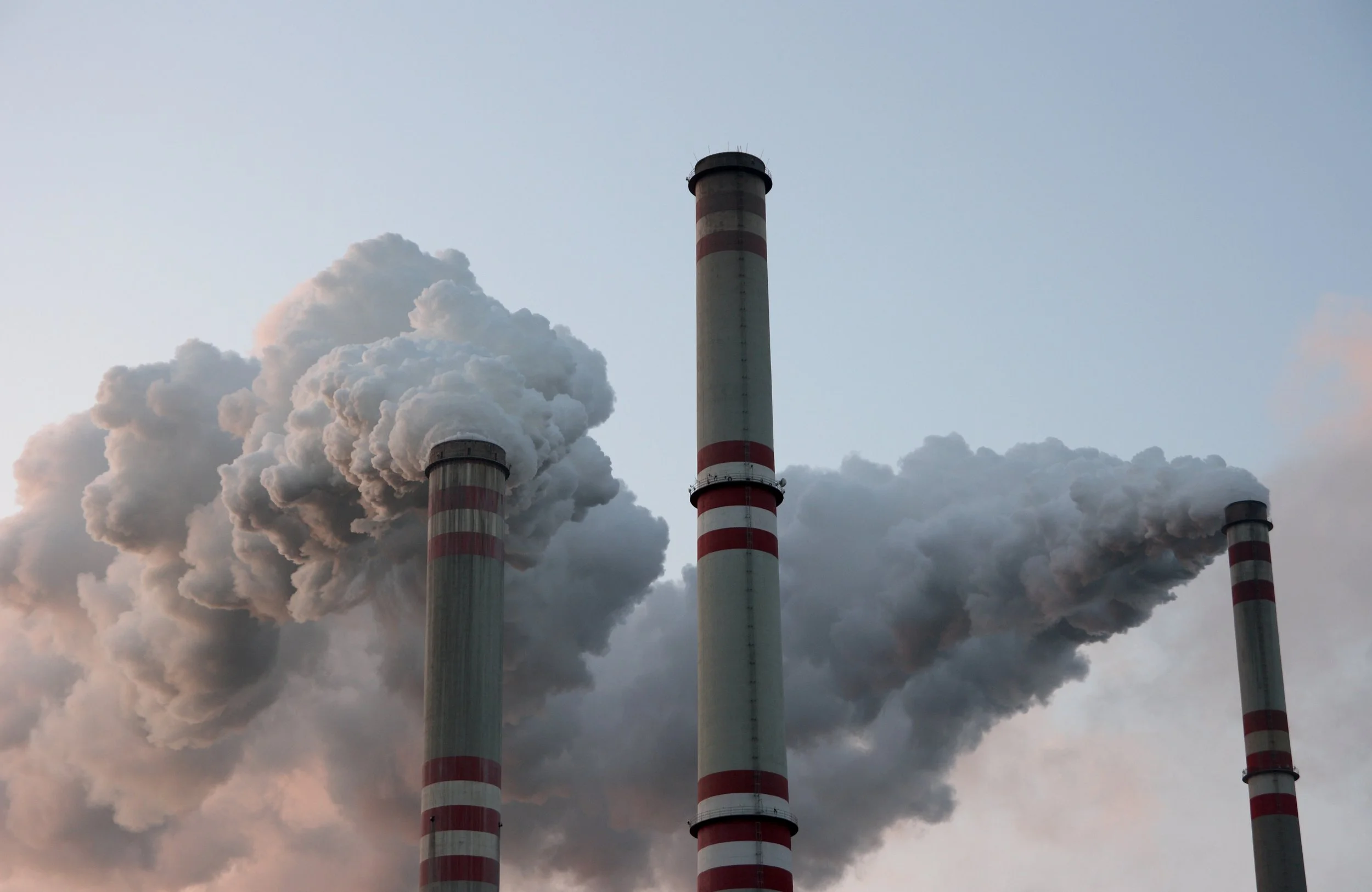
The EPA just valued a human life at $0. That’s not just a moral crisis — it’s a market crisis

“The Environmental Protection Agency (EPA) did something extraordinary as a preface to revoking the Endangerment Finding—they revised how they evaluate air pollution rules by not counting the benefits of lives saved and illnesses avoided. The technical term for what disappeared is the ‘value of a statistical life’ (VSL)—previously measured at approximately $11.7 million per person. In its place? Nothing. Zero.”

Read More
Profit and punishment: The portfolio risks lurking inside private prisons

To investors scanning quarterly earnings, the story appeared straightforward: durable federal counterparties, multi-year contracts, and predictable per-diem payments. But beneath that apparent stability lies a business model exposed to litigation, regulatory volatility, reputational damage, and profound governance risk—much of it tied to alleged abuses inside detention facilities. 

Read More
Trump is driving capital out of capitalism

“Capitalism is a simple bargain: you provide cash and in exchange you receive a share of ownership. Owning property comes with rights, the right to vote on who will represent you on the board of directors, the right to request and receive information needed to decide if you want to sell or buy more shares, and the right to have a dialogue with management to raise material concerns that affect the value of your asset.”

Read More
The 2026 litmus test: will boards choose chaos or stability?

Corporate boards and management face a stark and defining choice this proxy season. Shifting political winds in Washington – and a retreat by the SEC from investor protection and enforcement – will offer companies what might seem like a ‘get out of jail free’ card.

But this proxy season and the three years that follow will be a litmus test for corporate America.

Read More
Social Justice Funds, a new tool for values-aligned investing

In 2015, we started Invest Your Values with a simple but radical idea: investors deserve to know what companies are hidden inside their mutual funds and ETFs. Every month, our platform analyzes more than 6,000 funds, making the invisible visible. Investors—from retirees checking their 401(k)s to endowments managing billions—use the data to uncover risks and align their investments with their values.

Read More
Investors who refuse to take a loyalty oath to ExxonMobil should decline to join its ‘retail voting program’

By soliciting standing proxies that lock retail shareholders into management’s recommendations on every ballot item into the future, the program invites owners to abdicate their oversight power and replace judgment with blind faith in self-interested executives. That isn’t shareholder democracy – it’s a loyalty oath.

Read More
ESG Proposals at Mid-Season 2025: Trends, Turbulence & Triumphs

As the 2025 proxy season passes its high point, several patterns have emerged in the engagement, filing, and voting outcomes of shareholder proposals. Despite continued anti-shareholder narratives and heightened political and legal scrutiny of Environmental, Social, and Governance (“ESG”) issues, information to date indicates that market participants remain actively engaged on ESG[1] issues, with notable strategic shifts in tactics and tone.

Read More
The ugly details of the Big Beautiful Bill’s damage to US clean energy competitiveness

There is nothing beautiful about the One Big Beautiful Bill Act’s obstruction of US clean energy progress and American economic competitiveness.

Investors in public companies are concerned that the proposed bill, now before the Senate after it was passed by House Republicans by a one-vote margin, prioritizes culture war skirmishes over innovation and long-term economic stability and growth.

Read More
One point in the DEI debate everyone can agree on

I was recently interviewed byFortune on the debate around diversity, equity, and inclusion (DEI) programs. As the CEO of a nonprofit that represents shareholders, I approach the issue of human capital management from a financial and business perspective. After all, it is the fiduciary duty of investors and their representatives—among them asset and retirement fund managers—to reduce material risk and optimize long-term financial sustainability for all stakeholders

Read More
Big Tech employees missed out on $5.1 billion in 401(k) gains over the last decade because of fossil fuels, new research finds

Do you know how your 401(k) funds are invested—the kind of companies they hold, and what those companies are doing to respond to urgent global risks like climate change? There’s a good chance that, like almost half of workers, you don’t. You hand your contributions over to the plan, which puts them in whatever investments your employer and their fund manager have picked.

Read More