
Brands Court Reputational Risk as Domestic PET Recycling Market Falters
One of the pillars of credibility for U.S. recycling is the long-time collection and processing of PET plastic. This material, which most beverage containers are made from, is in precarious shape at a time when it should be surging. The reason is a combination of low-priced imported recycled PET (rPET), low-priced virgin plastic resin, and broken corporate promises about use of recycled content.
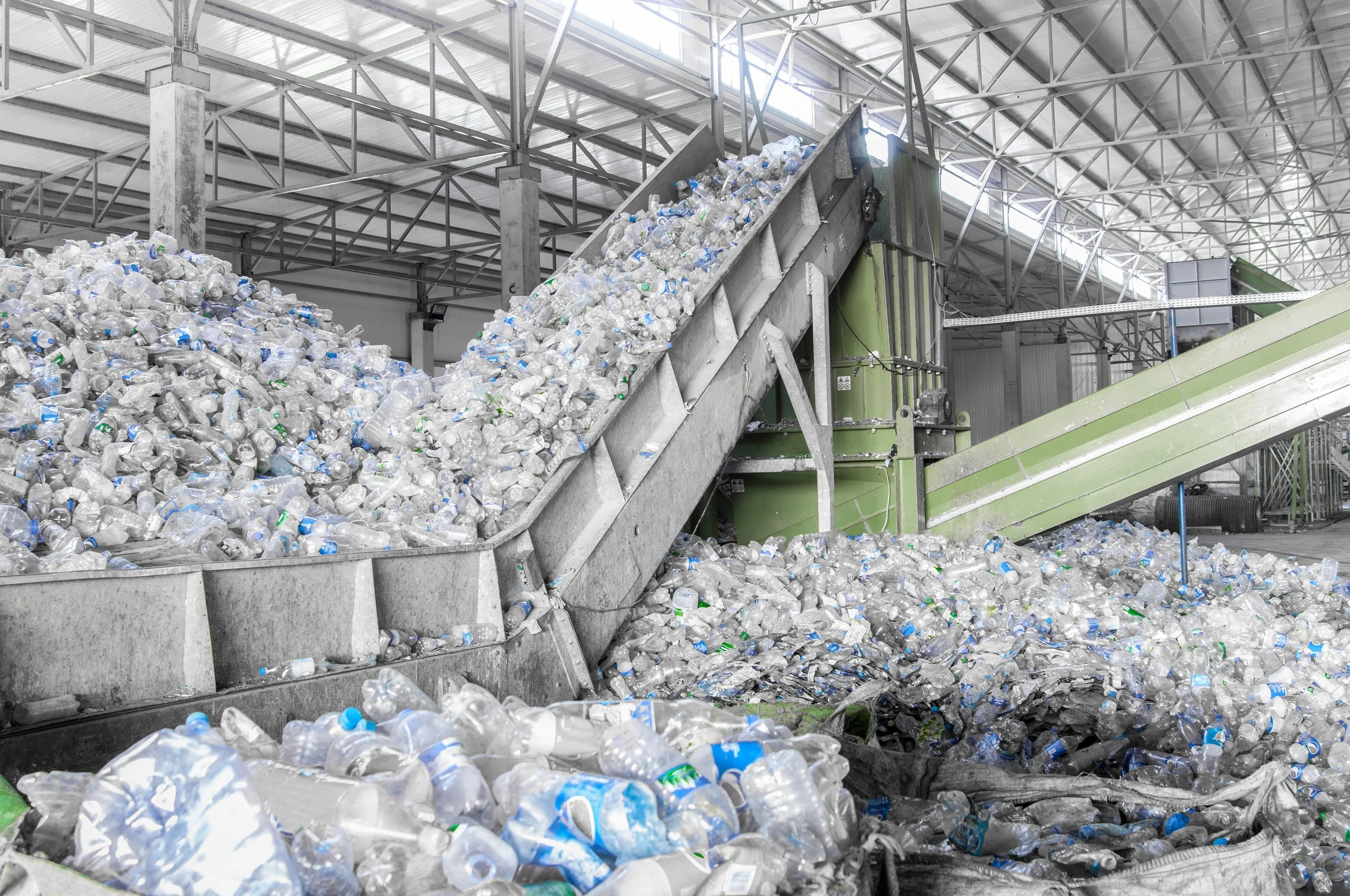
While the supply of post-consumer PET plastic collected curbside is increasing, places to process it have shrunk. Over the last year, seven U.S. plants representing 25% of processing capacity have closed because some companies are reneging on previous commitments to reduce their use of virgin plastic and boost use of rPET, resulting in lower rPET demand; cheaper imported rPET is also flooding the market, taking business from domestic recyclers; and Virgin PET is lower-priced than rPET, causing many cost-focused procurement managers to go for the cheaper option.
Last year, PepsiCo weakened a commitment made to As You Sow in 2021 to reduce its use of virgin plastic by 20% by 2030, replacing it with a lower 2% per year reduction target, and cut a 2030 goal of 50% recycled content in plastic packaging to 40% by 2035. The Coca-Cola Co. also weakened its goals, from 50% rPET in bottles by 2030 to 30-35% rPET by 2035. Both companies lowered commitments to increasing use of refillable bottles, all of which likely means higher levels of domestic single use plastic. These kinds of actions tarnish the “green credibility” of leading brands and court increased reputational risk with consumers.
Steve Alexander, CEO of the Association of Plastic Recyclers (APR), whose members have been subject to plant closures, recently described how surging imports of low-priced rPET are harming U.S. plastics recyclers, contributing to plant closures, job losses, and the erosion of domestic recycling infrastructure. The facilities were not closed due to inefficiency, but because “the market was distorted by a wave of low-priced imports that these facilities could not withstand.” He identified 8 countries responsible for the rapidly growing imports -- Indonesia, Malaysia, Thailand, Korea, Vietnam, Taiwan, India, and China. “These countries are not simply competing,” Alexander said, “they are flooding the U.S. market with rapidly increasing volumes at sharply declining prices.” APR is asking the Office of the US Trade Representative to impose trade remedies including tariffs on these imports.
As much as 50% PET reclamation capacity could disappear if current trends continue. This could result in some recycling facilities no longer accepting PET bottles from curbside collection, triggering the possible landfilling of post-consumer PET, according to The Recycling Partnership.
Companies need to stand fast and not renege on previous promises to reduce plastic use. While the federal government may be in the hands of people not concerned about corporate backsliding, eight states with recently enacted extended producer responsibility laws are counting on a robust PET recycling sector to help these state programs meet plastic recycling and use reduction goals.
Consumer brands also need to prioritize use of domestic rPET over cheap imports from countries with weaker environmental and labor laws than the U.S. Further, there are concerns that not all imports may be using recycled-content materials as there is no certification or monitoring process to check authenticity.
For our part, As You Sow will urge consumer goods companies we engage with to honor previously announced plastic reduction and recycled content goals, and to prioritize use of domestically generated rPET.
Part of the problem is corporate culture. The decision on recycled content purchasing is usually controlled by corporate purchasing departments that may not grasp the role that plastic reduction and recycled content commitments play in maintaining the credibility of a company’s sustainability agenda. This needs to change. In our discussions with companies, we will seek to ensure that sustainability program priorities play a larger role in such decisions.
While everyday citizens do their part by sorting their trash and placing bottles in recycling bins, consumers cannot fix a broken market. If consumer brands refuse to buy the material collected, the entire system risks collapse.
We need a strong U.S. PET recycling program to maintain the eroding credibility of recycling programs, and large consumer brands can play a key role restoring its credibility by staying the course on their commitments and buying rPET domestically.