
INSURANCE
The insurance sector sits at the center of climate risk, both influencing the pace of the energy transition and absorbing severe financial consequences from climate impacts. Although insurers face rising losses from climate-related disasters, many continue to support carbon-intensive industries through underwriting and investment practices that fall short of aligning with a 1.5° C pathway.
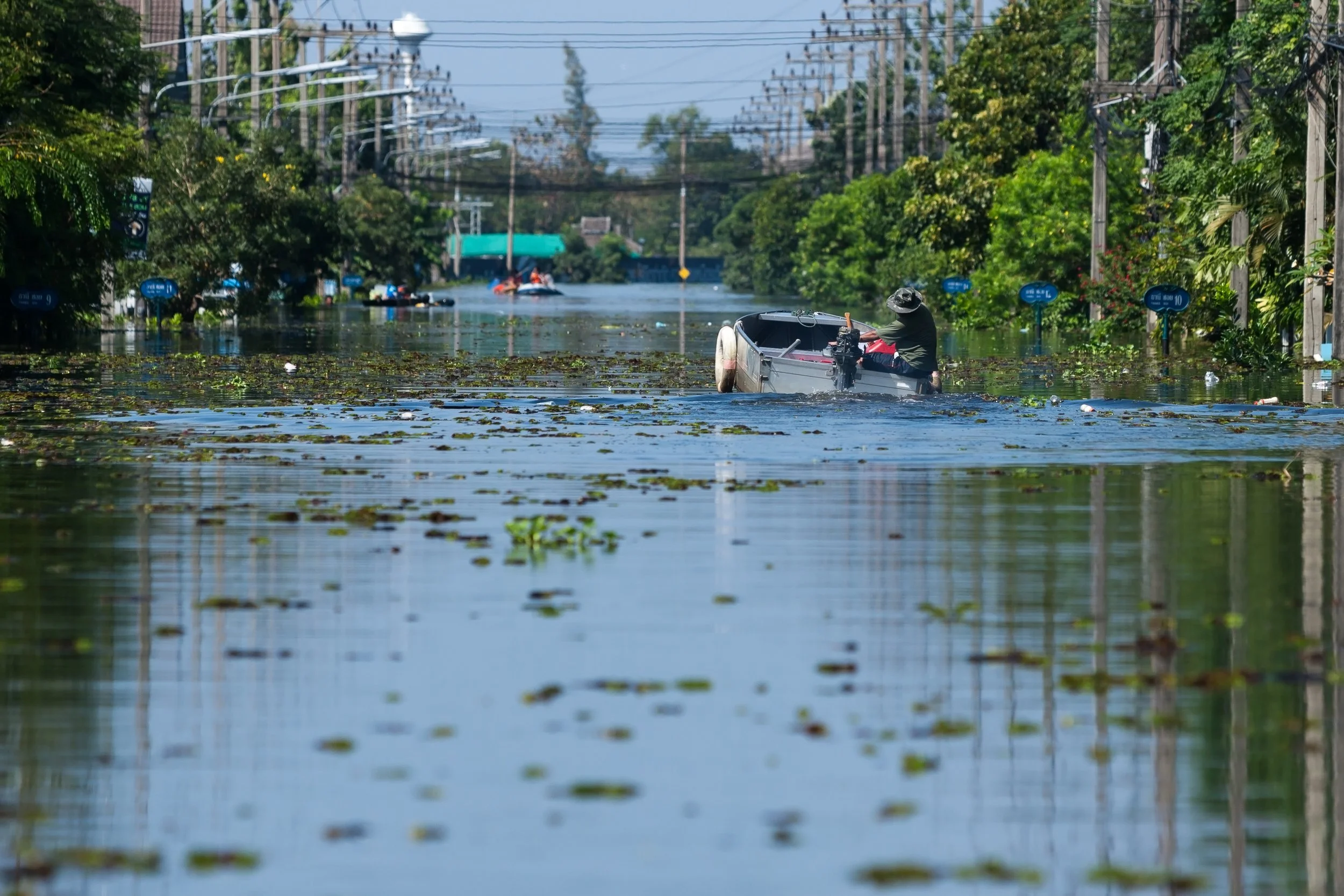
Climate-driven catastrophes are reshaping the sector’s ability to offer coverage, with extreme weather events threatening the stability of insurance markets across entire regions. These pressures underscore the need for insurers to advance climate-resilient practices, shift capital away from high-emitting activities, and increase support for low-carbon solutions. Engaging the insurance sector is essential for reducing systemic climate risk and steering financial flows toward a just and sustainable transition.
Areas of Focus
Home insurance stability and climate risk: Escalating climate impacts are driving a fundamental shift in the insurance landscape. Rising catastrophe losses increase costs for insurers, which in turn raise premiums, restrict access to coverage in vulnerable areas, and limit affordable mortgages. These pressures can depress property values and create broader financial instability. Our work supports efforts to assess these risks and strengthen long-term economic resilience.
Financed and insured emissions disclosure: Insurers play a major role in global capital allocation, yet many lack transparent accounting of the emissions associated with their investment and underwriting portfolios. Clear disclosure is essential for aligning the sector with a 1.5o C pathway and for tracking meaningful progress over time. Methodologies from initiatives such as PCAF are expanding the tools available to measure financed and insured emissions, and our engagements encourage insurers to adopt these practices across their core operations.