
Circular EconomY
Program wins | Press | Staff insights | Resolutions | Reports | Program initiatives
PROGRAM OVERVIEW
Plastic pollution has become one of the most urgent environmental challenges of our time. A circular economy addresses plastic pollution by replacing the linear take-make-waste model with systems that reduce, reuse, and recycle plastic throughout its lifecycle.
“Our goal is to ensure that companies shift from a disposable model to circular systems that keep materials in use and prevent waste from harming people or the planet.”
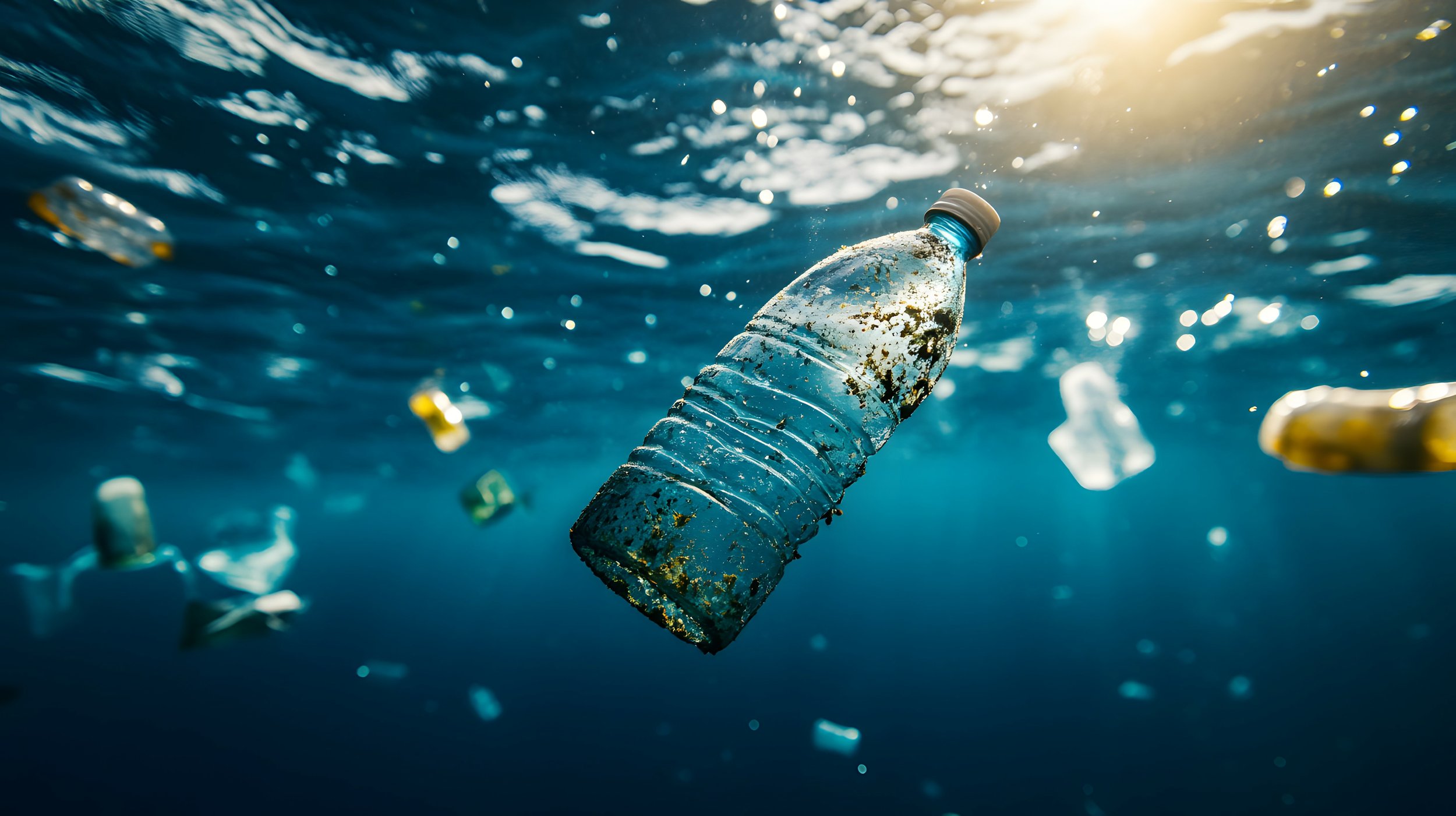
Every year, the world produces more than 470 million tons of plastic; half of it designed for single use and destined for disposal. About 98% of this material is made from fossil fuels, tying global consumption to rising carbon emissions that threaten both climate stability and economic resilience. Poor waste management allows around 22% (100+ million tons) to be mismanaged each year, including an estimated 11 to 12 million tons that enter rivers, lakes, and coastal waters. Without meaningful intervention, plastic pollution in aquatic systems is expected to more than double by 2030, and the sector’s carbon footprint could surpass that of coal.
Companies that fail to act face mounting regulatory, investor, and reputational risks. As You Sow’s Circular Economy Program partners with investors to challenge corporate leaders to reduce resource extraction, redesign products for reuse and repair, and build circular business models that cut waste, protect ecosystems, and create long-term value for shareholders and society.
Why We Engage Companies on Waste
Half of the plastic produced each year is designed for single use and immediate disposal. The United States generates a disproportionate share of global waste and shrinking overseas disposal markets have placed the burden of plastic management squarely on domestic systems and producers.
U.S. recycling rates lag behind many other developed countries. Less than half of Americans have access to reliable curbside recycling, and much of what is collected cannot be effectively reused. Improving recycling access, quality, and infrastructure remains essential for any functioning circular economy.
Seven U.S. states, including California, have adopted producer responsibility laws for packaging. As You Sow continues to engage companies to fund and expand recycling infrastructure.
Yet recycling alone cannot solve this challenge. A durable circular economy requires meaningful cuts in virgin plastic production and a shift toward reuse solutions. Breaking the Plastic Wave, a study by the Pew Charitable Trusts concluded that plastic waste entering oceans could be reduced by 80% by 2040 if companies eliminate one-third of plastic demand through reuse, redesign, and new delivery models.
MAJOR Circular Economy Wins

Major companies
Church & Dwight, Keurig Dr Pepper, Kraft Heinz, PepsiCo, Walmart, Target, Mondelez, Unilever and YUM Brands pledged to reduce a combined 1 million tons of virgin plastic.

Petrochemical companies
Seven petrochemical companies, including Dow Chemical and DuPont de Nemours, began public reporting on plastic pellet spills.

PepsiCo
Agreed to expand refillable sales and reduce virgin plastic use by 2030.
Church & Dwight and Kraft Heinz
Adopted new plastic packaging reduction goals.

Microsoft
Agreed to cut pesticide use in its supply chains and expand reporting on regenerative agriculture implementation.
Coca-Cola
Committed to increasing the use of refillable containers to 25% of total sales by 2030.

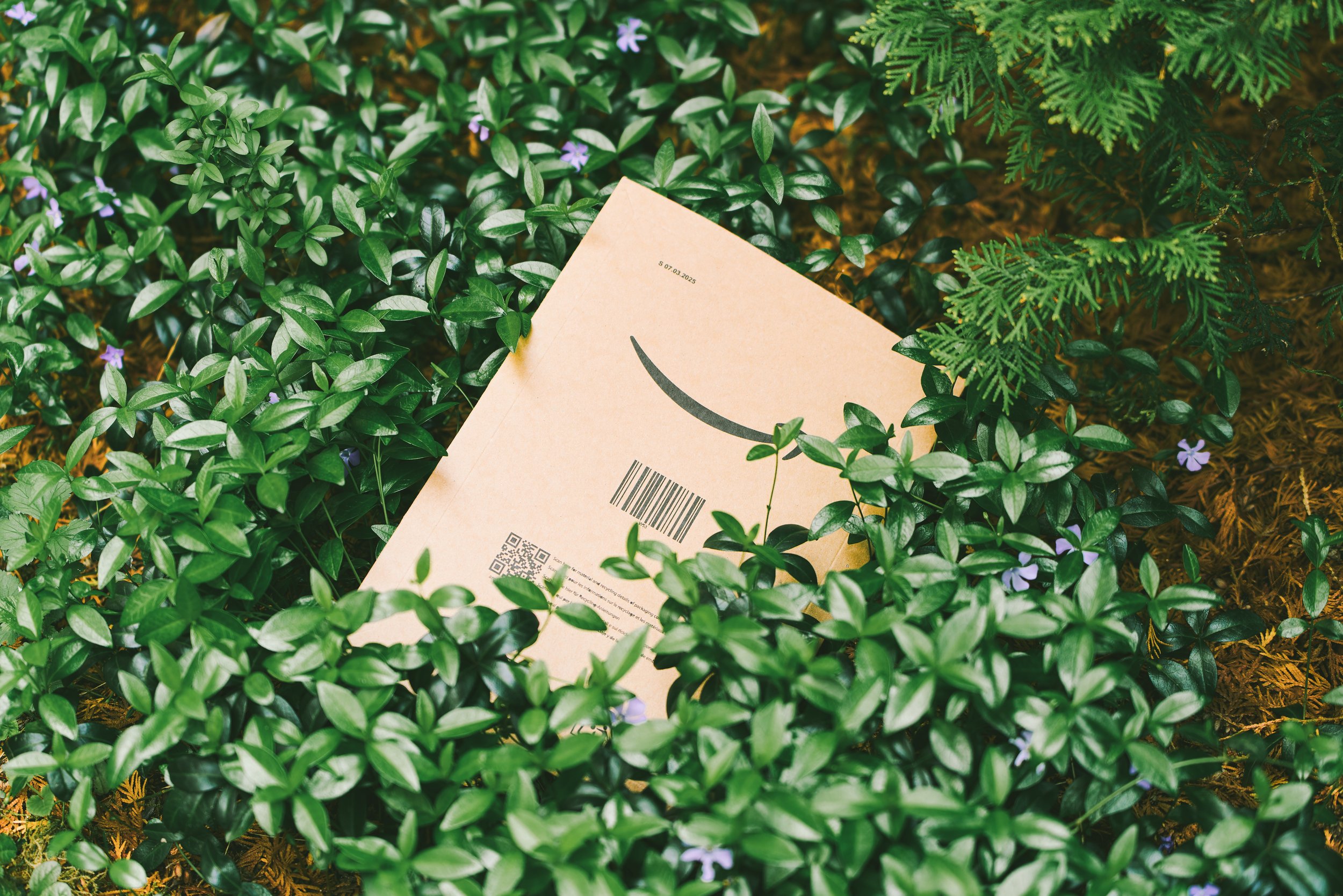
Amazon
Reduced its single-use plastic shipment packaging by 28% in 2024.
Press Coverage
Press Releases





Insights
Resolutions
| Reset Filters | ||||||
|---|---|---|---|---|---|---|
| Company | Initiative | Resolution | Filing Documents | Year | Status | Program |
Reports


initiatives
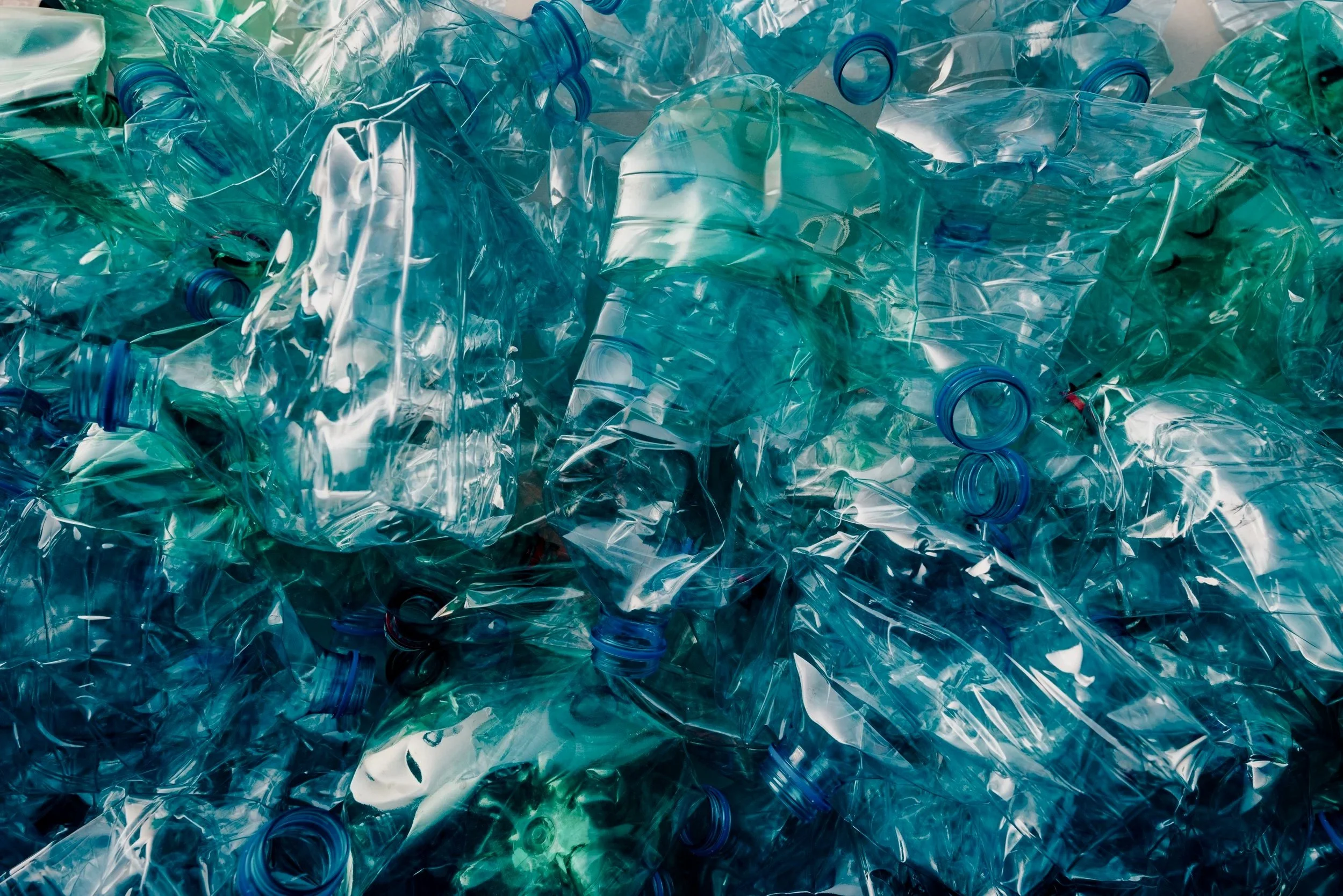
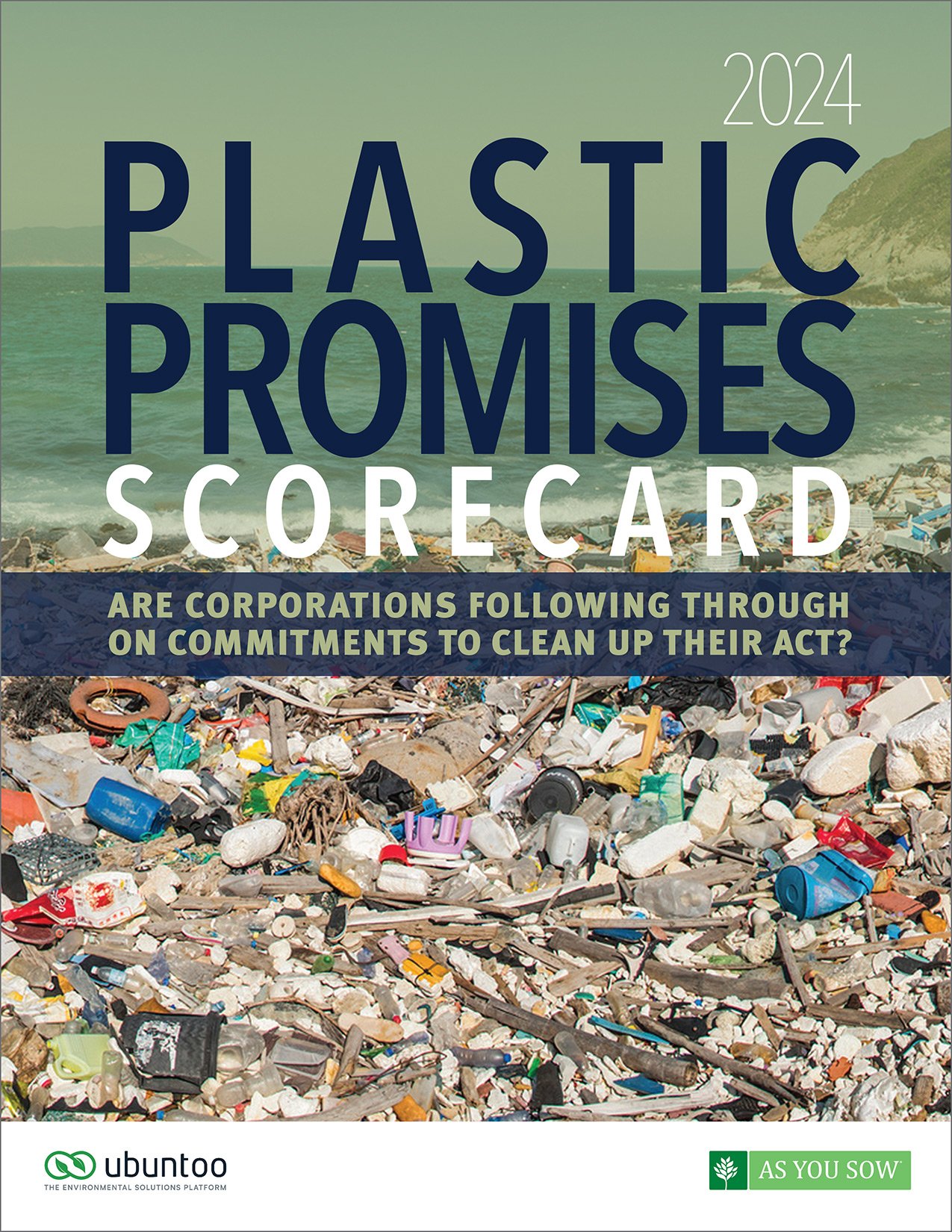
Plastic Pollution

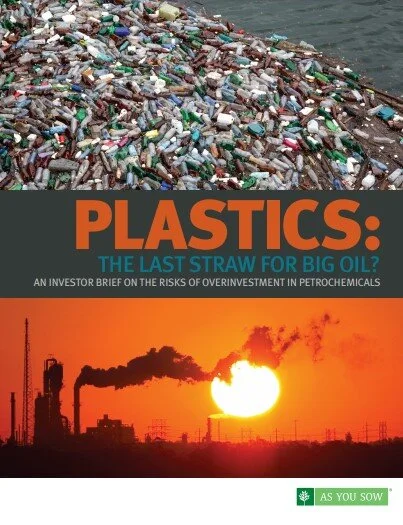
Plastic Feedstocks
extended producer responsibility (RPR)
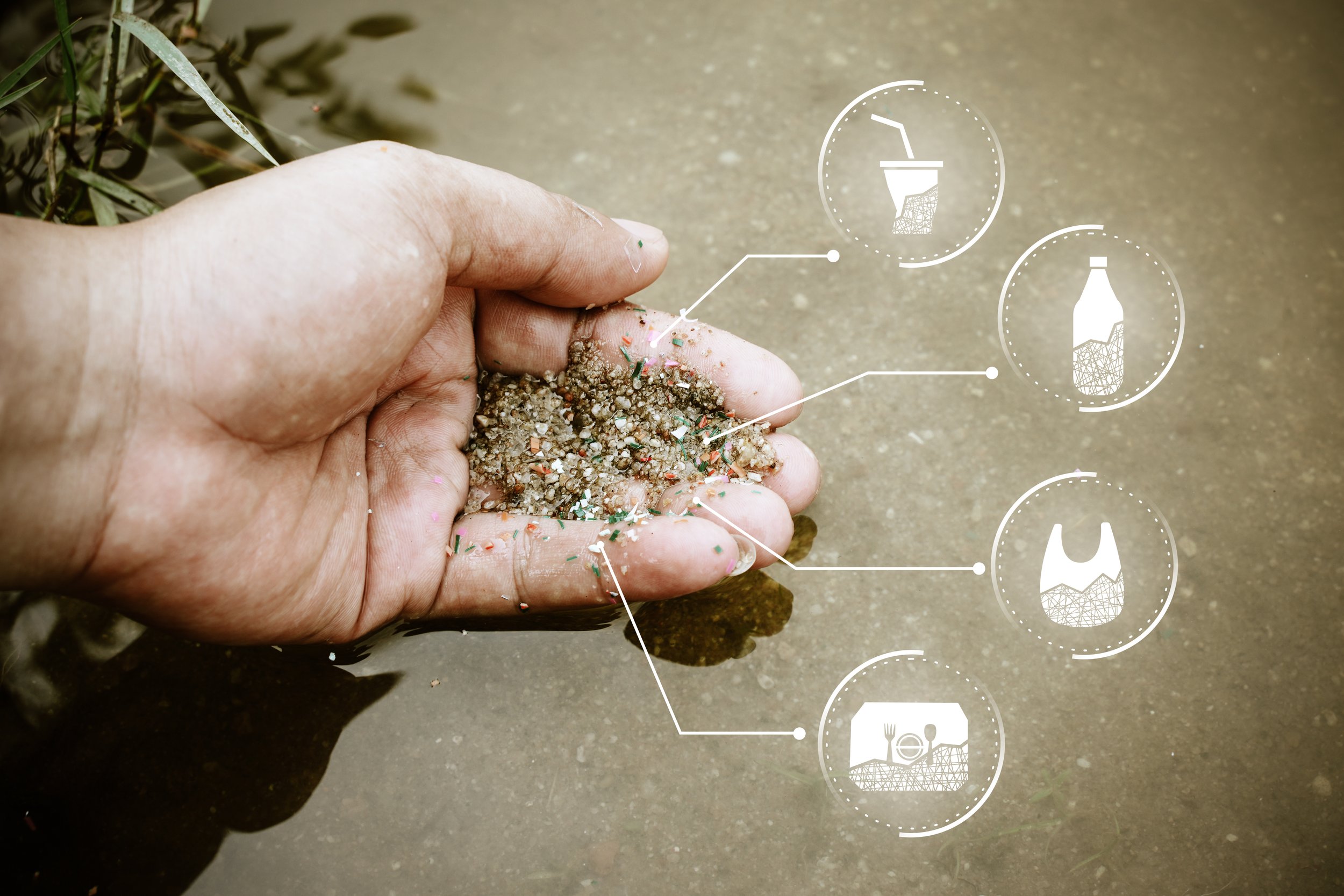
Microplastics
Other Initiatives