Circular Economy Blog Posts
Featured


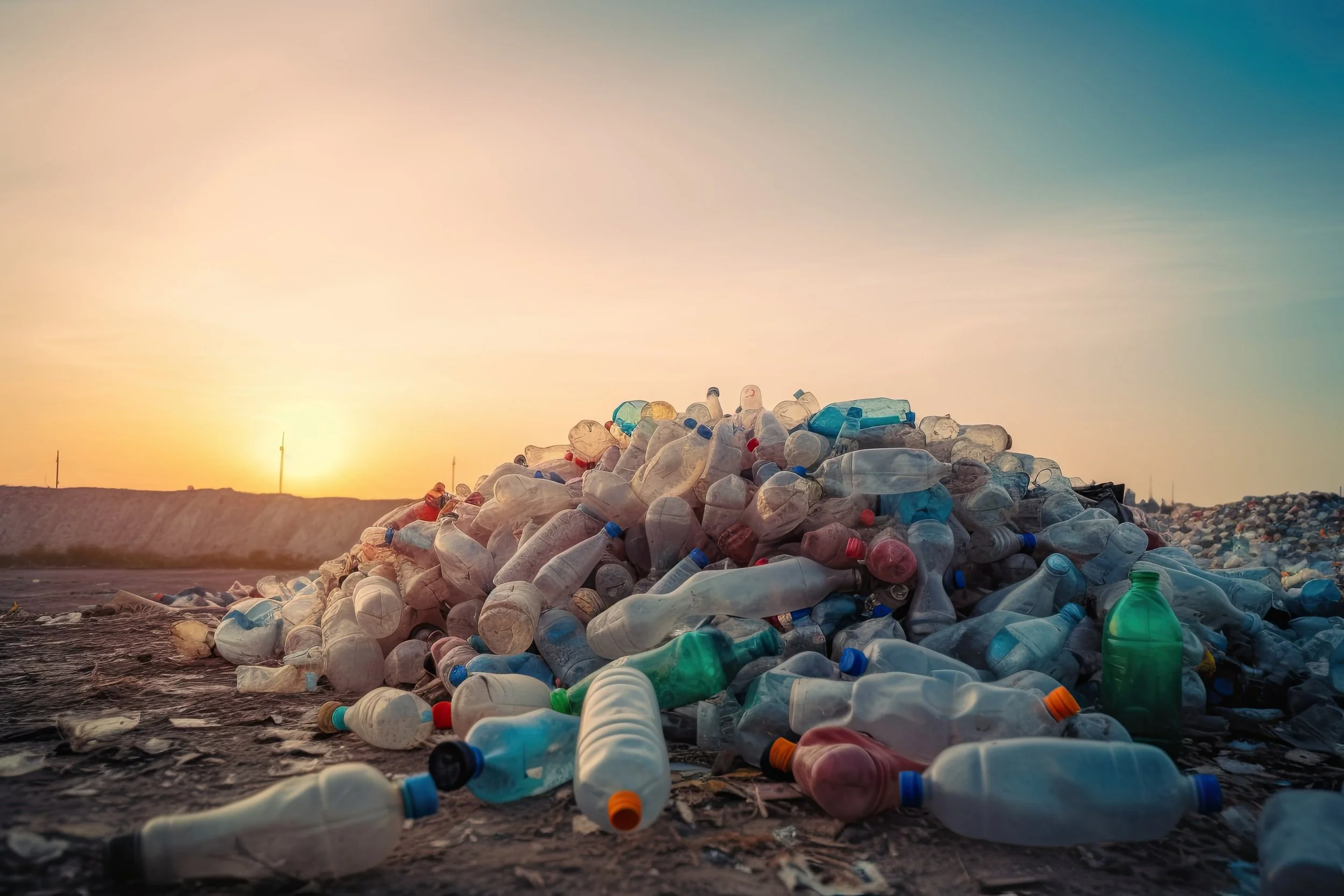


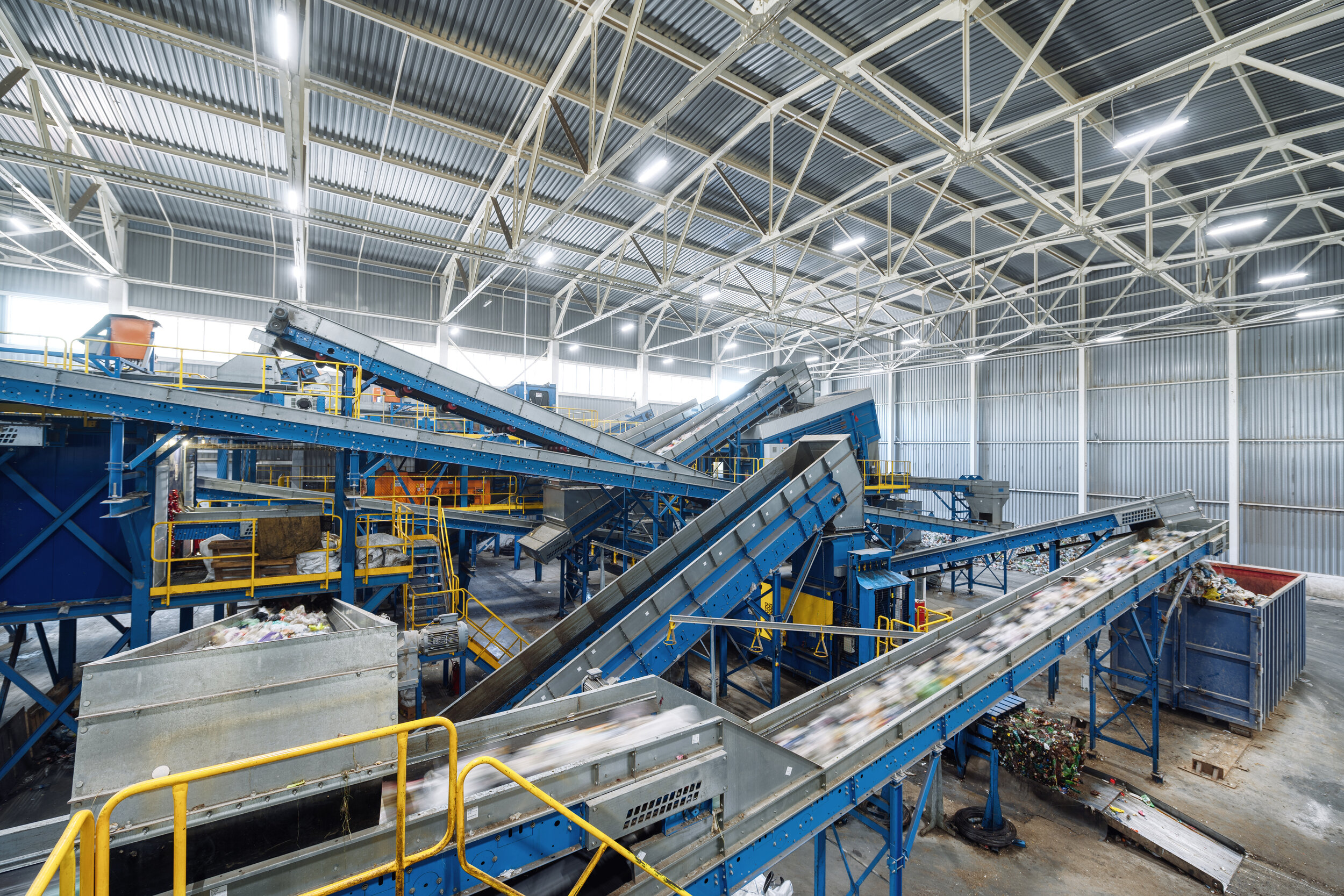
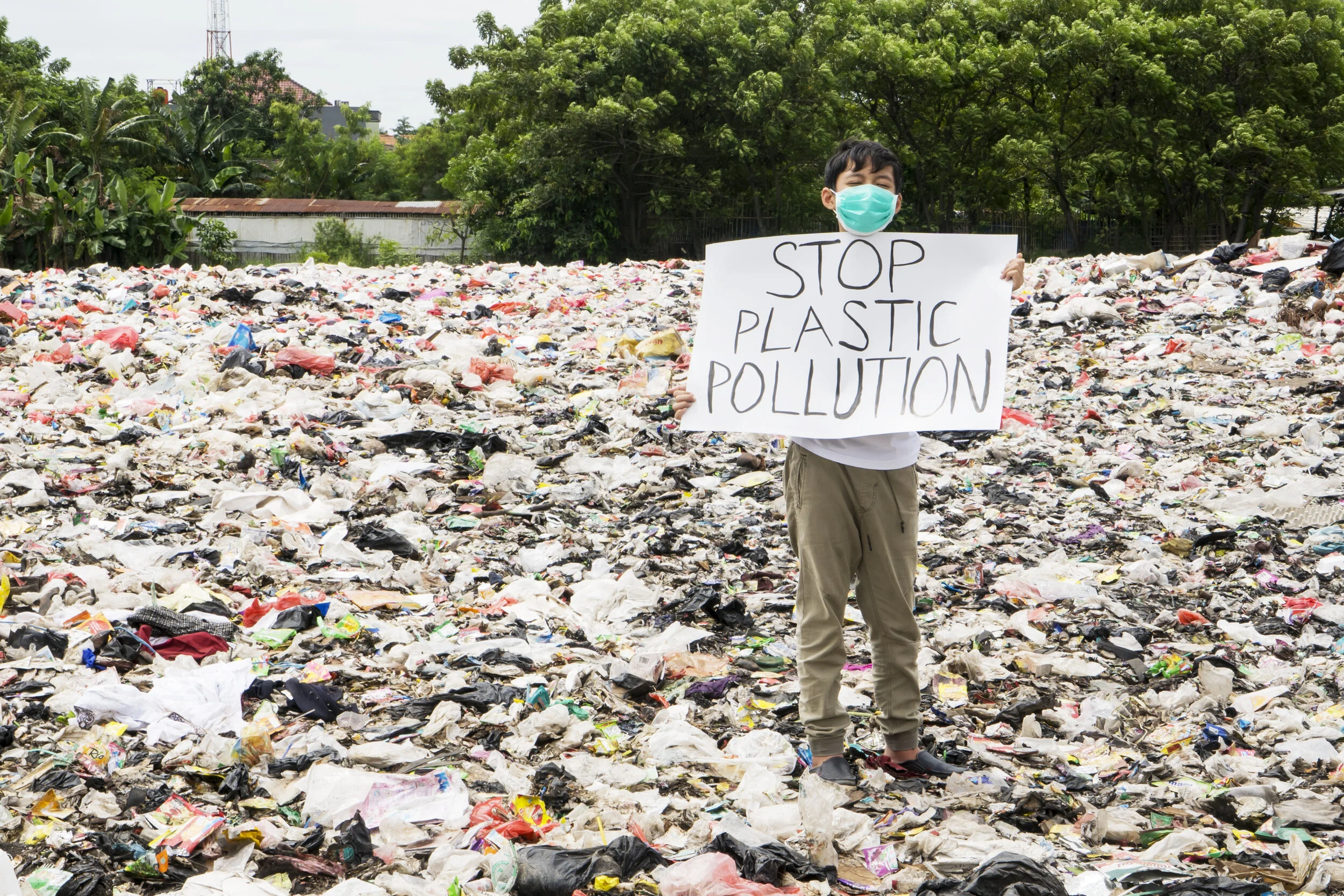
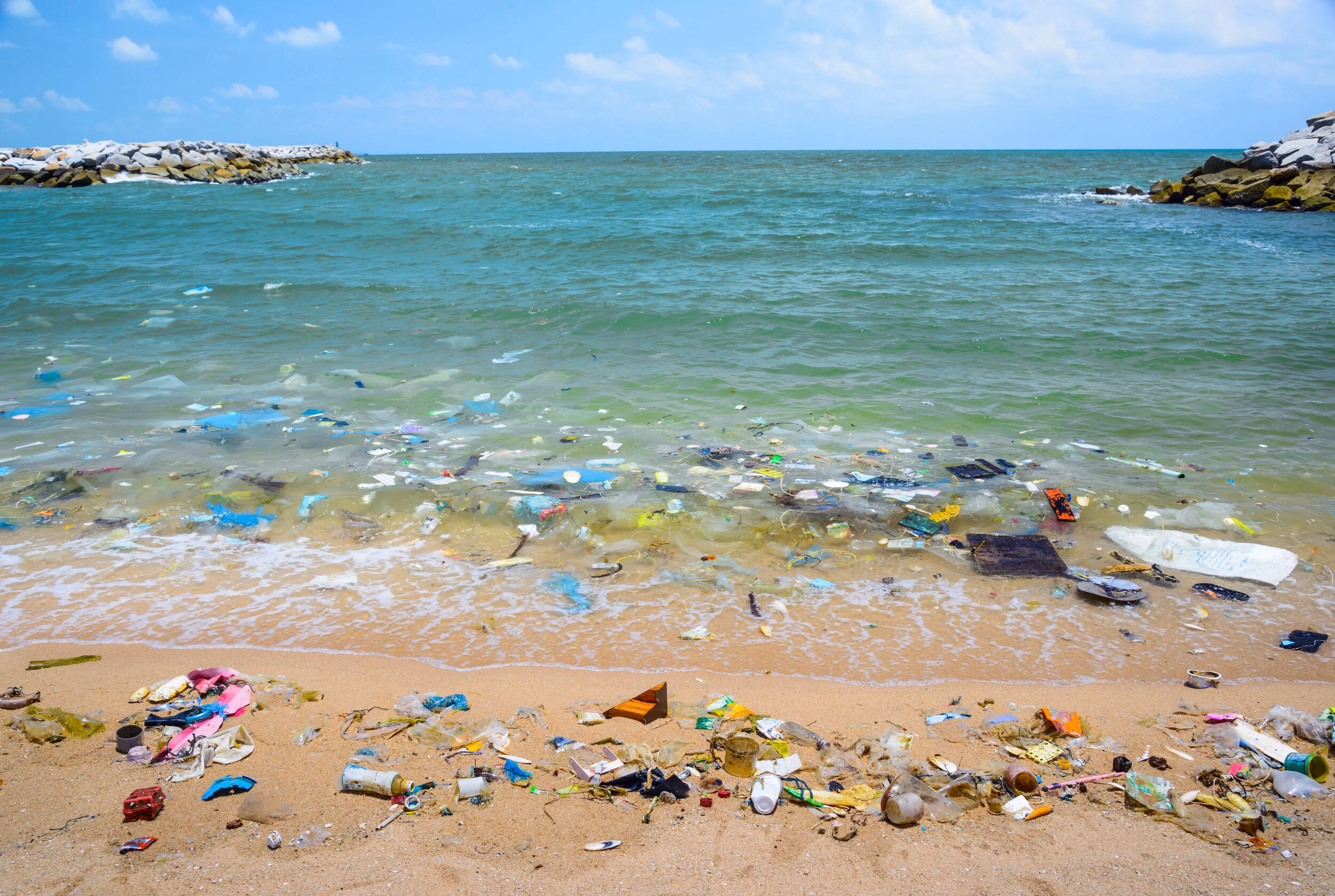






A busy proxy season for As You Sow’s Circular Economy program was highlighted by agreements with Hormel Foods to cut packaging use by 10 million pounds by 2030 and establish a new working group on Extended Producer Responsibility (EPR), and by YUM! Brands, the world’s largest restaurant company, to report on opportunities for switching to permanent reusable packaging.
This proposal asks our Company to evaluate extending our responsibility for our packaging beyond the point of sale and through to the packaging’s end-of-life. Some opportunities to achieve this could include using less plastic, exploring reusable and package-free alternatives, and making sure that the disposable packaging we do use is always collected and recycled.
The solution to this recycling disparity is Extended Producer Responsibility (EPR), whereby producer corporations that make the packaging (bottles, bags, wrap, etc.) finance the collection and recycling of their packaging at its end-of-life.
In an embrace of a post-pollution future, As You Sow’s Waste Program has rebooted itself as the more aptly titled Circular Economy Program – and we couldn’t be more excited!
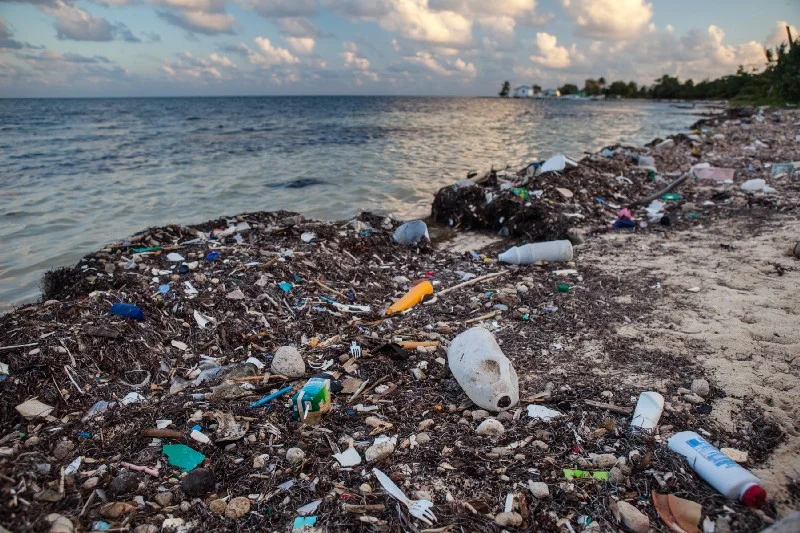
Without immediate and sustained action, the annual flow of plastic into world oceans could nearly triple from 11 million metric tons to 29 million metric tons by 2040.
The fight against plastic pollution just took an important step forward. We are thrilled to share the news that this week Maine became the first U.S. state to enact legislation forcing producers of packaging waste to pay for the collection and recycling of post-consumer packaging, a concept known as extended producer responsibility (EPR).
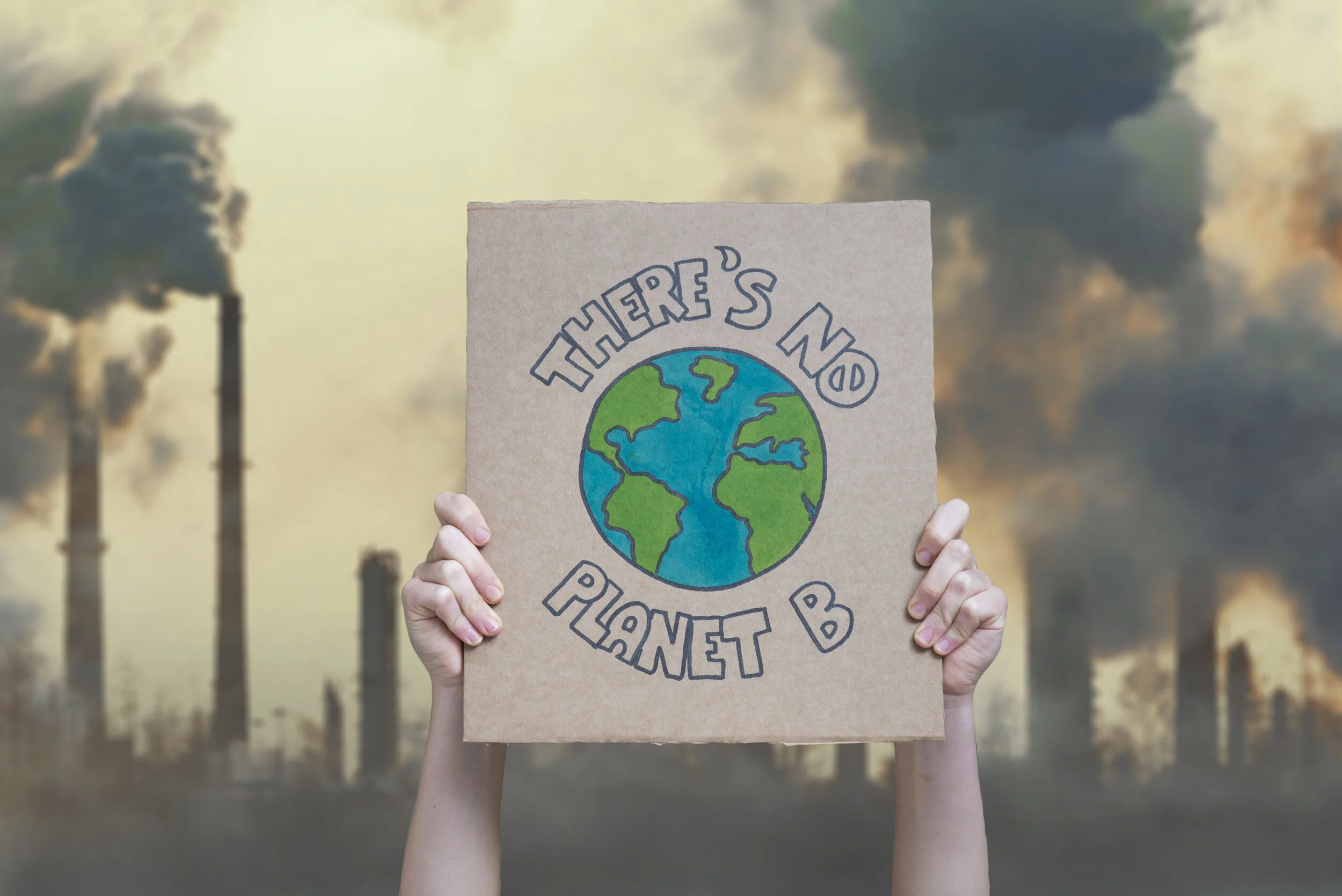
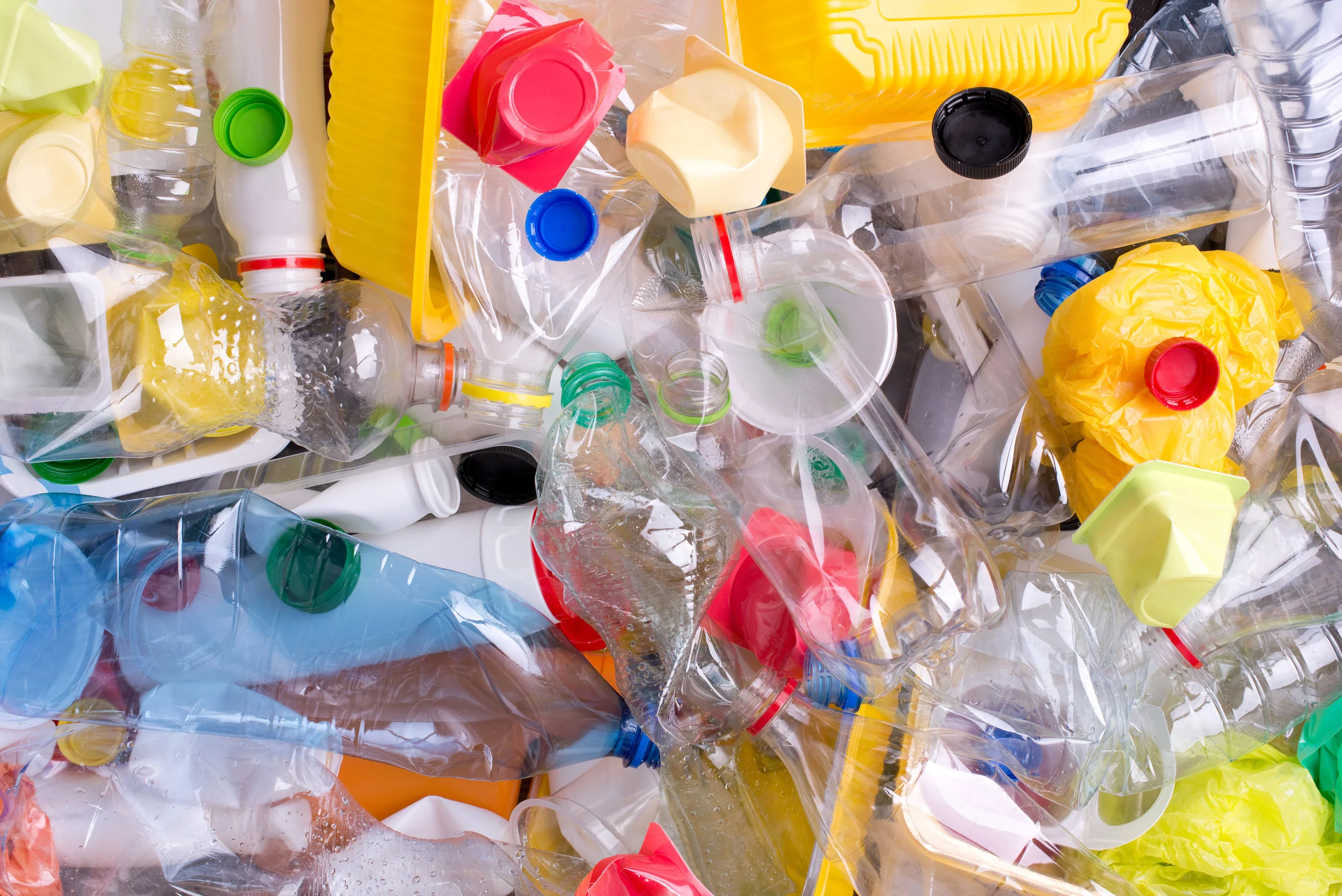
Plastic pollution is an international environmental crisis and has become a key issue for governments and citizens. Between 1950-2015, the global production of plastics skyrocketed – generating more than 6.3 billion metric tons of plastic waste.
In the latest episode of As You Sow's new series “As You Talk” on Clubhouse, Conrad MacKerron, senior VP of As You Sow and Marcus Eriksen Ph.D., author of “Junk Raft” and co-founder of Five Gyres Institute, discuss the ecological, social and economic impacts of plastic waste.
The information requested will help investors assess the extent of the company’s exposure to plastic pollution and encourage it to step up and match its peers by committing to significant cuts in plastic use.
To make up for lost demand, Big Oil is allocating significant resources to boost production of petrochemicals – especially plastics. This Hail Mary movement to increase plastics production faces a significant and growing landscape of risks.
As You Sow has released Waste & Opportunity 2020: Searching for Corporate Leadership report analyzing the actions, or inactions, of 50 of the largest U.S. consumer-facing companies to reduce plastic pollution.
Due to As You Sow’s pioneering engagement efforts, last month Colgate-Palmolive Co. began shipping the first toothpaste tube recognized as recyclable by plastics recyclers.
Over two decades of engagement with Pepsi, there’s good news and there’s bad news about its record on delivering on commitments.
Americans throw away an estimated 100 billion plastic bags a year, according to the U.S. Environmental Protection Agency, which says the average bag takes up to 1,000 years to break down. Even then, the plastic remains in the environment and food chain.
As You Sow is pleased to announce the launch of the Plastic Solutions Investor Alliance, an international coalition of investors that will engage publicly traded consumer goods companies on the threat posed by plastic waste and pollution.
The plastic pollution crisis has finally resulted in a wakeup call, albeit weak and tentative, by U.S. plastic resin producers.
Starbucks, once a bold leader in greening its packaging and source reduction policies, is now falling behind. On March 21, actor, filmmaker and UN Environment Goodwill Ambassador Adrian Grenier will present As You Sow’s shareholder resolution at Starbucks’ annual general meeting.
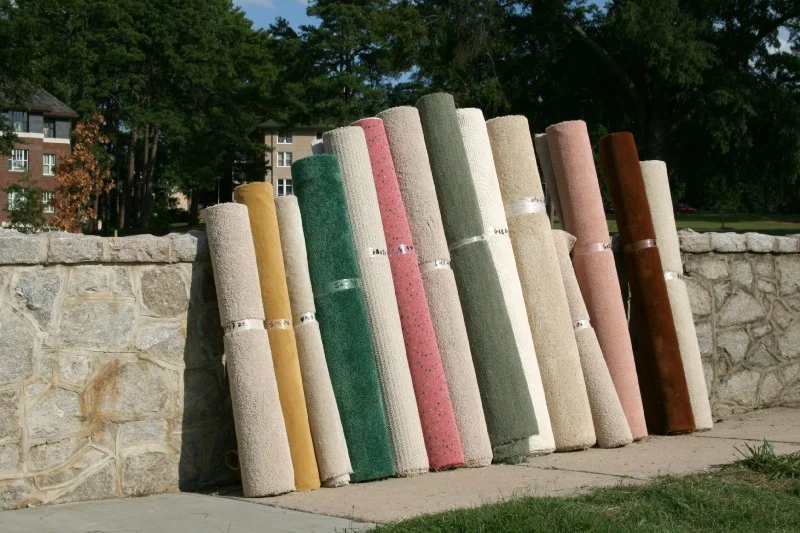
More than 30 institutional investors with combined assets of $50 billion are asking three leading U.S. carpet manufacturers to make good on previous promises to recycle a substantial amount of discarded carpet.
Plastic pollution on land and water has risen in prominence dramatically as an environmental issue in the last two years as new science-based studies showed far higher rates of plastic ending up in oceans than previously believed, and institution issued blueprints for stemming that flow.
We have followed Starbucks’ actions on cup recycling and more sustainable packaging for many years. In some ways, it is a leader in recycling and sustainability efforts on packaging. It is the only major retail coffee company to set specific recycling and materials reduction goals.
As California lawmakers consider legislation to strengthen the industry-managed carpet recycling program, it is helpful to take a look at the latest corporate sustainability report by Mohawk, the world’s largest flooring company and a major industry player.