Environmental Health Blog Posts
Featured











Under Executive Order 12898, federal agencies will make environmental justice core to their mission and practices; requiring each to create agency-wide environmental justice strategies, amongst other important goals.
A groundbreaking 381-page report called “Expert Investigation Related to Cocoa and Chocolate Products,” is the culmination of a three-year research effort by four world-renowned experts.
This second annual Top Corporate Watchdogs report highlights what we see as the best independent sources of information on corporate impact. We use many of these sources in our ratings of company and fund impact at Ethos.
This second annual Top Corporate Watchdogs report highlights what we see as the best independent sources of information on corporate impact. We use many of these sources in our ratings of company and fund impact at Ethos.
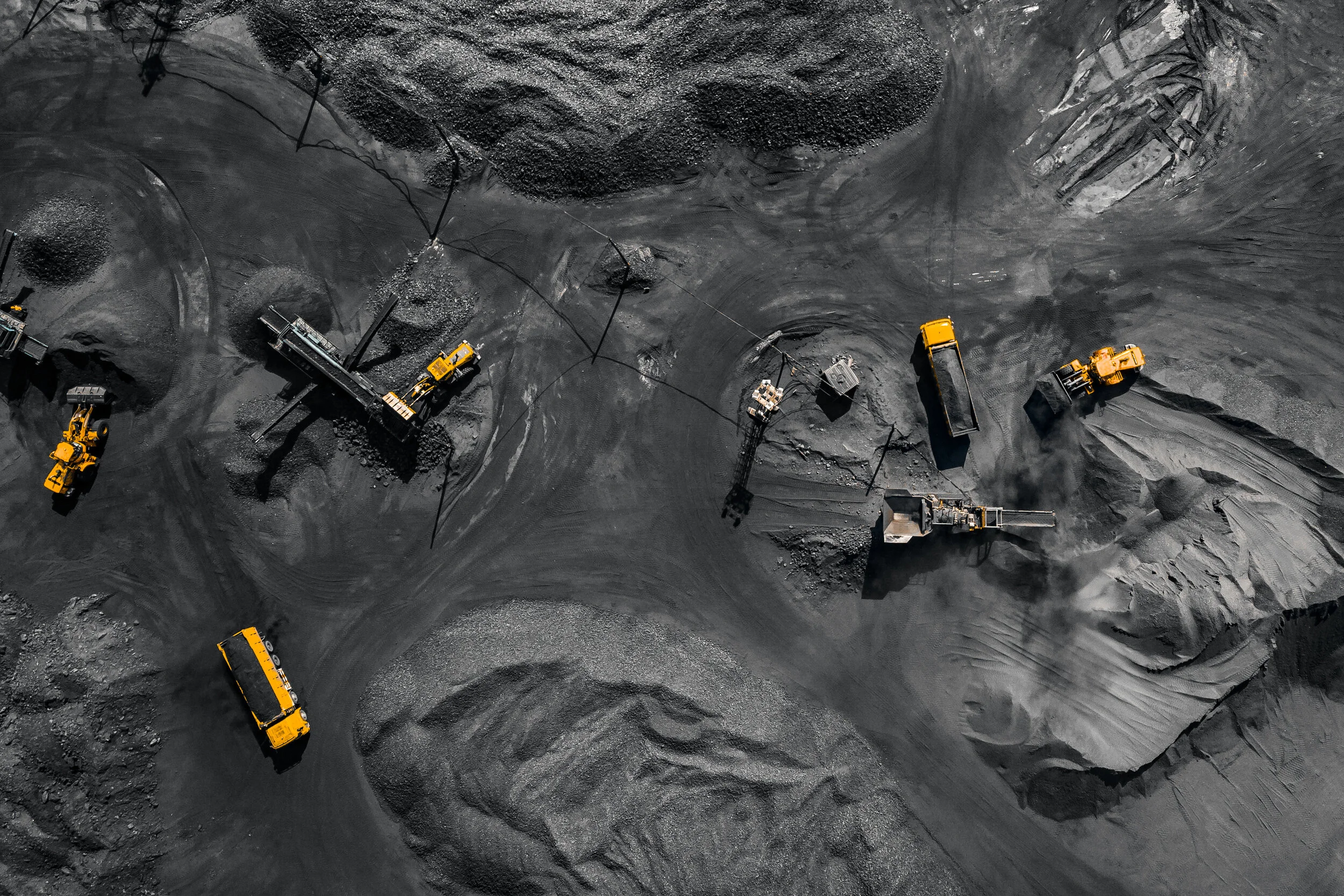
As we watch the climate crisis consume our planet, the role of colonization in the degradation of our environment must be considered. We are witnessing the impacts of extreme temperature changes, raging wildfires, and natural disasters.
Andrew Behar, CEO of As You Sow and Heidi Welsh, founding executive director of the Sustainable Investments Institute (Si2), give an overview of some outcomes from this proxy season.
Danielle Fugere, president of As You Sow and Ivan Frishberg, director of Impact Policy at Amalgamated Bank discuss the important role banks have in addressing the climate crisis.
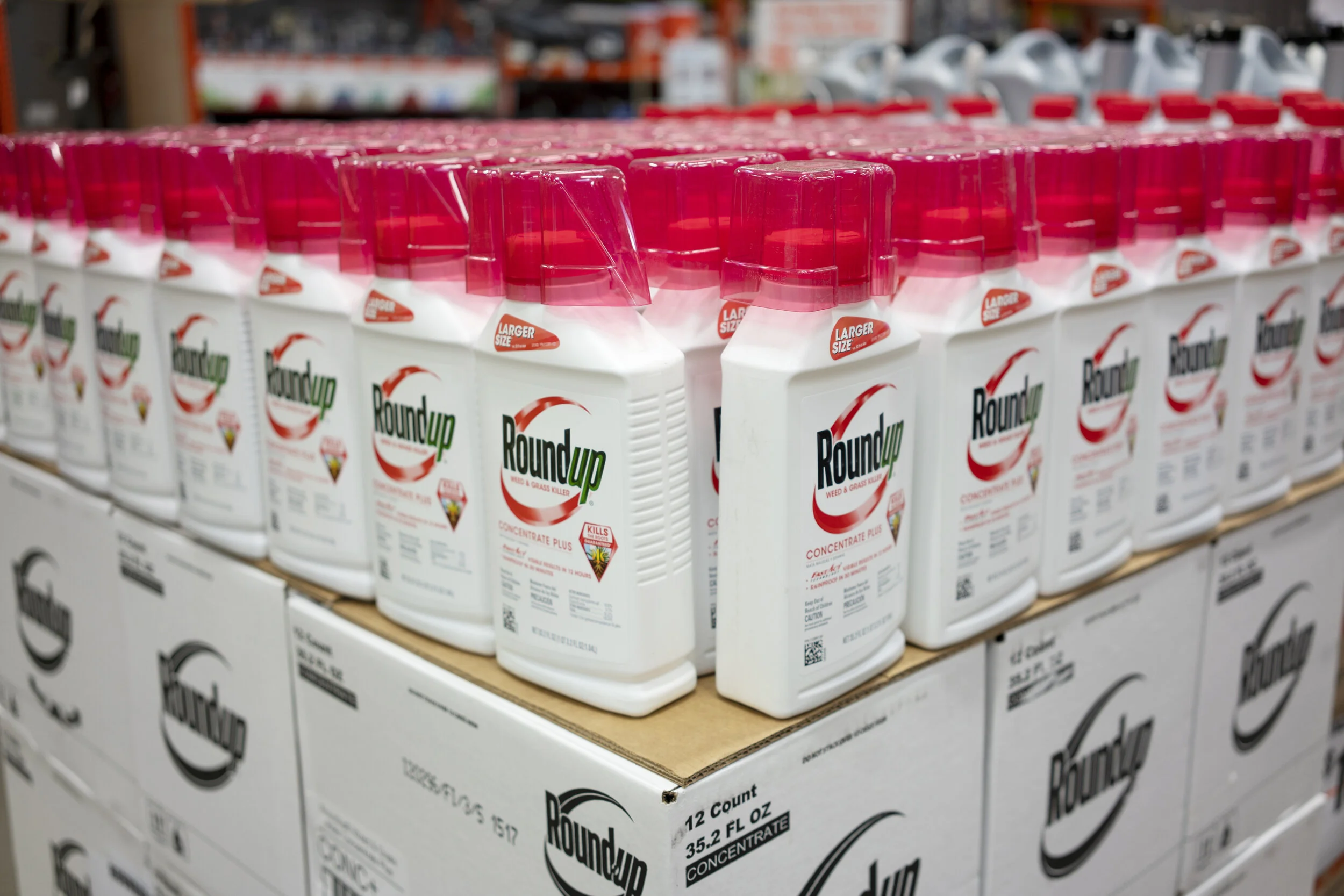
In yet another blow to German chemical giant Bayer, a U.S. court recently dismissed the company’s proposed $2 billion settlement as unconscionable in seeking to prevent future legal claims from cancer victims exposed to Roundup.
Power utilities are at a juncture where they can continue to slow climate action with regressive lobbying or instead support Paris aligned policy and take advantage of opportunities inherent in the clean energy transition.
The International Ocean Film Festival has designated As You Sow as one of its Ocean Heroes, groups whose mission helps protect oceans and marine life, and we are recognized on their Ocean Heroes page.
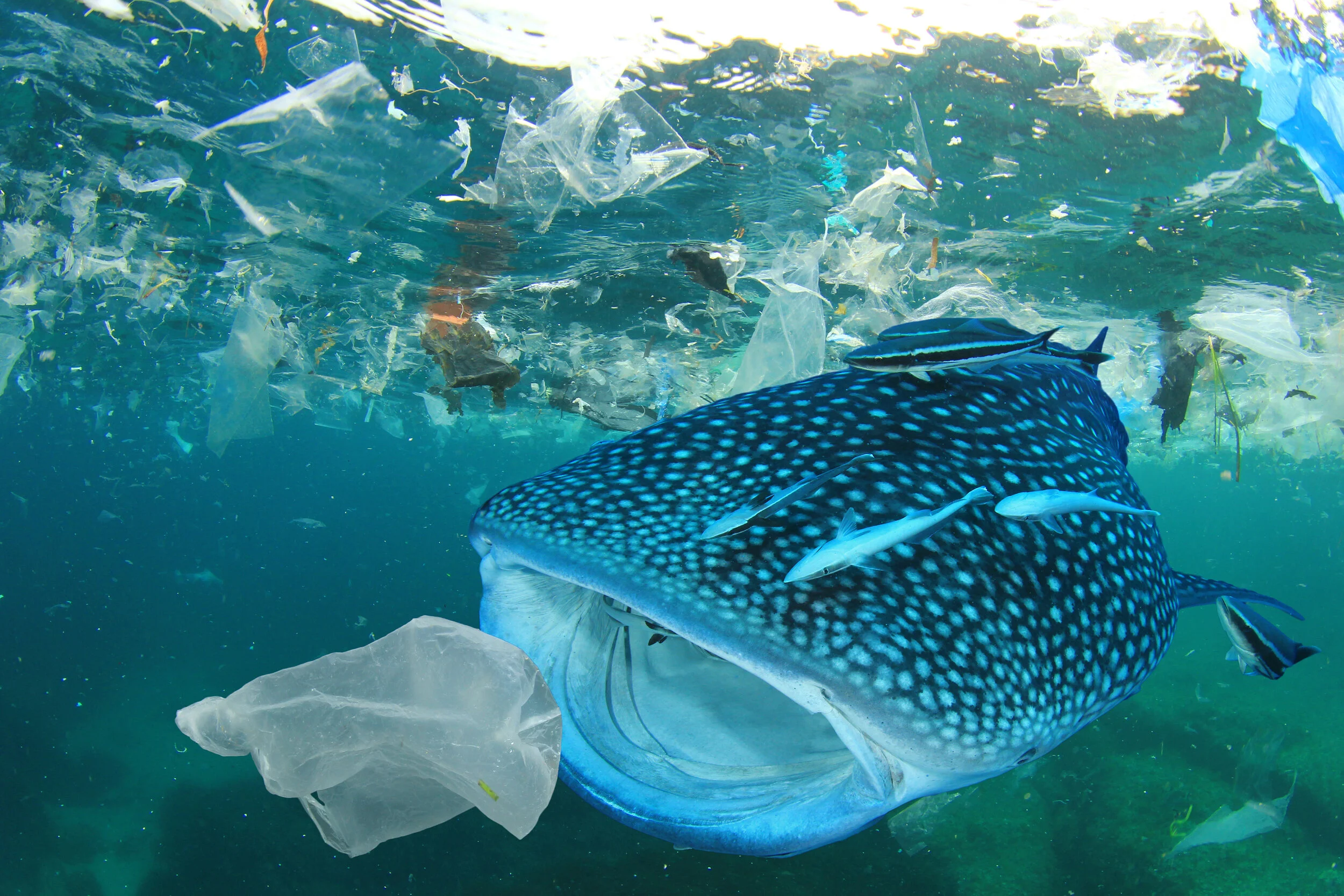
We are engaging over 100 companies and escalating by filing 73 shareholder resolutions on a range of critical issues. We are calling for a commitment of absolute cuts in the use of plastic packaging . . .
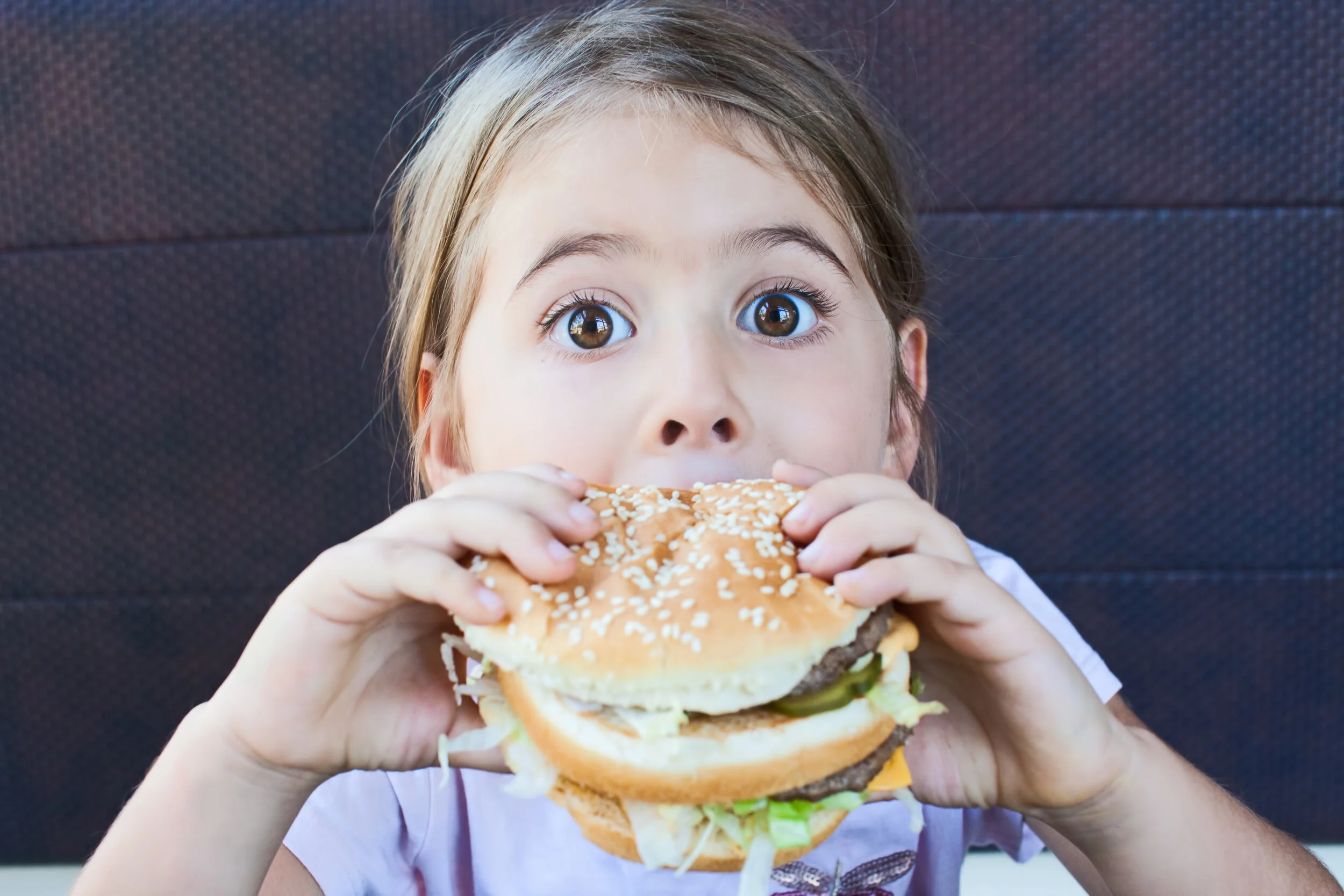
Toxic chemicals are showing up in the wrappers of America’s favorite burgers. In 2020, consumer advocates released a report finding that several of the nation’s largest fast food chains all had packaging with elevated levels of fluorine, indicating treatment with chemicals called PFAS.
Our current agricultural system is characterized in large part by industrial-scale farms that grow only one species of crop at a time, with no or inadequate rotation. Although industrial agriculture over time the system has degraded the land, water, and other resources we depend on for life.
In early May, French company Total, became the latest investor-owned oil and gas company to come out with an ambitious-sounding climate announcement. Total stated its support for the “goals of the Paris Agreement”.
Four months after the World Health Organization declared coronavirus a pandemic, cases in the United States continue to rise. Many facets of our national economy are being tested by this crisis and the food system has been particularly hard hit.
Earlier this year, Kellogg’s quietly announced that, by 2025, it will phase out pre-harvest use of glyphosate in its major wheat and oat supply chains. This important action comes after the company’s products appeared in several reports finding glyphosate residues in nearly every sampled popular breakfast foods.
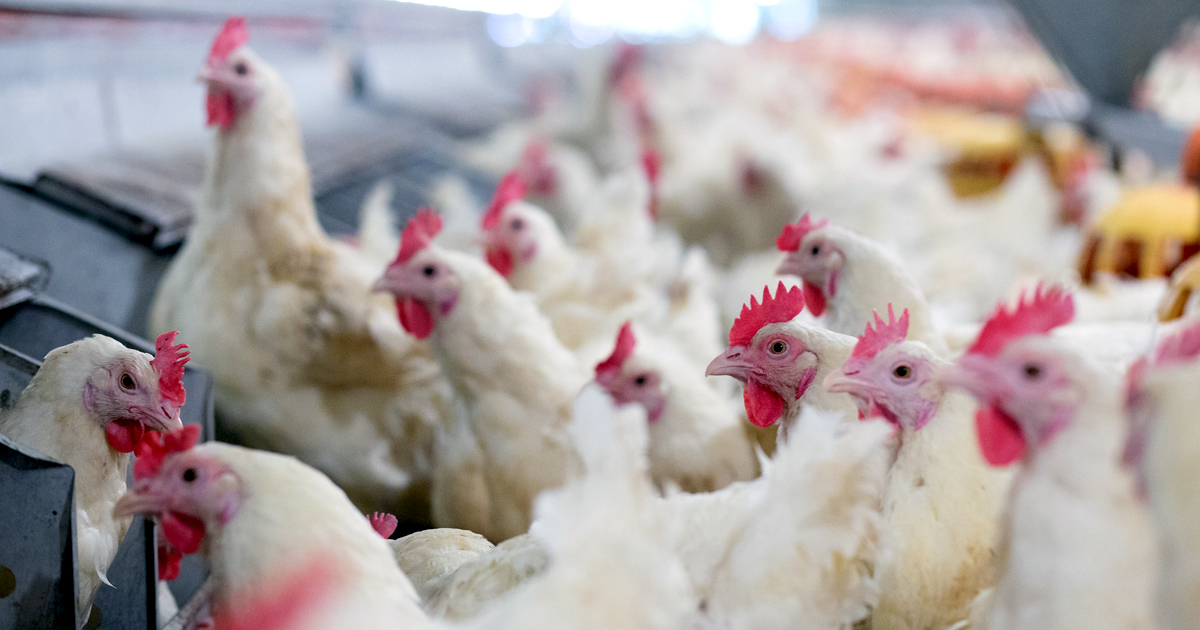
Denny’s joins a growing group of major fast food and fast casual chains (McDonald’s, Wendy’s, KFC, Chipotle, and others) that have established policies prohibiting the use of medically important antibiotics in chicken.
Antibiotic resistance threatens our ability to treat infections such as pneumonia, tuberculosis, and salmonellosis, among others; the result is that previously controllable diseases are becoming more and more fatal.
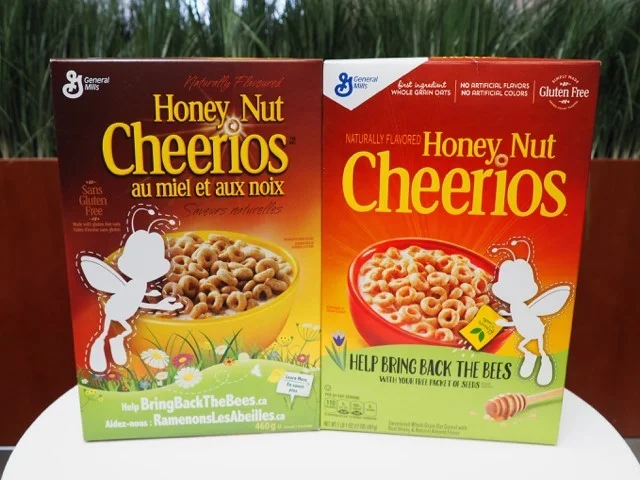
At the beginning of the modern, health-conscious age, cereal giant General Mills faced a big problem. Traditional snacks and cereals were still profitable but were no longer growing in sales, as consumers of all kinds began to prefer healthier, more authentic food.
Healthy, environmentally-friendly food is taking off in every corner of society and the restaurant chains we grew up with are struggling to adapt. They are slow and tentative to move, and often need a push from their own shareholders.
Although many corporations still pollute waterways and finance shadowy lobbying groups, it’s getting harder for companies to outright deny scientific consensus. It’s only going to get harder for Sanderson Farms, making now the perfect time to face reality.
That which we call cocoa, by any other name would smell as sweet, but the same can’t be said for lead and cadmium. While dark chocolate is often marketed as healthful because it contains antioxidants, it also frequently contains lead and cadmium, an attribute not marketed to consumers.
Tobacco kills or disables millions of the people who use it. So it shouldn’t be surprising that some people want to take a moral stand by divesting from Big Tobacco. They’re refusing to personally profit from corporations contributing to a public health crisis.
Most smokers start before they’re 18. According to scientists and the world’s top health experts: 44% of new smokers start because they keep seeing it in movies. Thanks to Hollywood, tobacco is still the country’s (and the world’s) number one cause of preventable death.