
2026 Pesticides in the Pantry:
Transparency & Risk in Food Supply Chains
New Pesticide-Related Human Health and Scientific Findings
Last Updated: February 2026
- U.S. approves a new GMO wheat variety, likely increasing harmful pesticide use
- Study further links the pesticide Paraquat to Parkinson's
- Pesticide exposure associated with autism and ADHD in children
- New study connects pesticide use to decreased nutrients in crops
- Multiple studies continue proving Glyphosate's adverse human health effects
- Researchers are finding more Forever Chemicals in U.S. pesticides
New GMO Wheat Approved by the U.S. – Glufosinate Tolerant
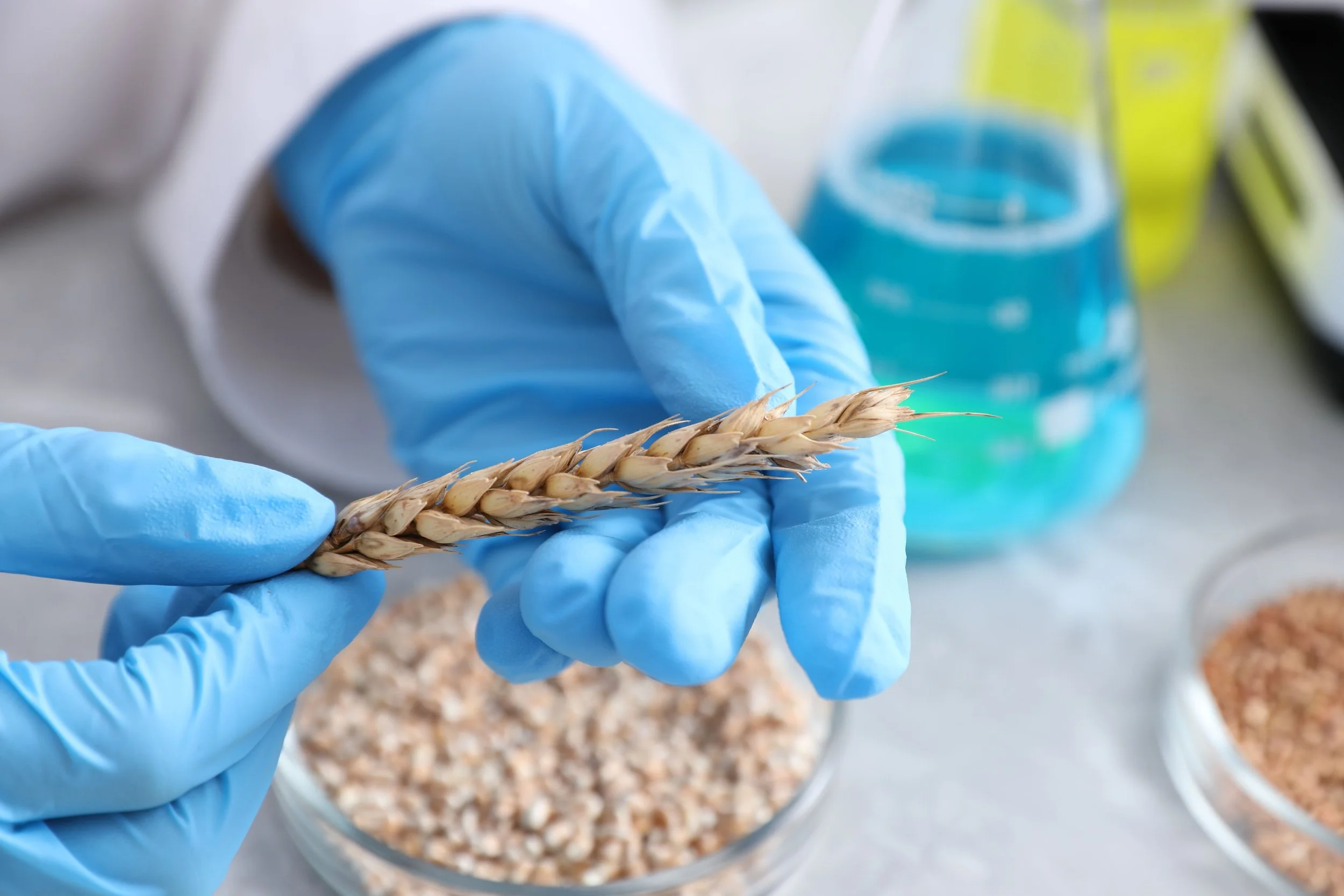
The USDA approved a new variety of genetically engineered wheat, HB4, tolerant to glufosinate – a pesticide banned in the E.U. due to its connection to reproductive toxicity and other health concerns. (PAN India; PAN Europe; Friends of the Earth)
This new wheat raises concerns for consumers, farmworkers, and the environment. Approval of HB4 will likely increase the use of glufosinate in the wheat supply in the U.S., which has the third highest human wheat consumption rates. (World Population Review)
Paraquat Linked to Parkinson's Disease
A new study by UCLA researchers supports earlier findings that paraquat dichloride exposure increases an individual's risk of developing Parkinson's disease. (PubMed) The effects found were particularly elevated in cases of early on-set Parkinson's (i.e., before the age of 60). The study assessed individuals who live and worked near agricultural facilities that apply greater amounts of paraquat than community controls.
Paraquat is banned in over 70 countries, including the E.U. and China, but commonly used in the U.S. (Michael J. Fox Foundation) In agriculture, paraquat is used to control weeds and as a desiccant for crops, including corn, soybeans, and cotton. (EPA)
Pesticides Linked to Neurodevelopmental Impacts in Children

Multiple studies have linked pesticide exposure to learning and developmental disorders, including ADHD and Autism. (Beyond Pesticides) Notably, a 2025 investigation identified a connection between prenatal exposure to chlorpyrifos, a commonly used insecticide, and fetal brain abnormalities that persist for years after birth. (Science Daily) The study followed 270 individuals born in New York City. Another study specifically calls out neonicotinoids and organophosphates, showing their potential impacts on reproductive health and linking autism spectrum disorder to prenatal exposure. (Science Direct)
Pesticides and Decreased Crop Nutrient Density
A 2025 study found that synthetic pesticide use in agriculture changes soil chemistry and plant metabolism, reducing crop nutrient levels. (Science Direct) Since 2018, essential minerals and other nutrients in food crops have decreased at alarming rates. At the same time, over two billion people globally are experiencing micronutrient deficiencies, including zinc, vitamin A, and iron, adversely affecting human health. (NIH)
More Studies Show Human Health Harms from Glyphosate
The studies indicating human health harms from glyphosate exposure are growing, adding to an already significant body of evidence. Currently, Bayer faces thousands of lawsuits alleging health harm from exposure to glyphosate, with a $7.25 billion settlement in place.
1. Scientists from Europe and the U.S. recently found that low doses of glyphosate, an herbicide labeled safe and not carcinogenic by the EPA, cause multiple types of cancer in rats. (George Mason University) The scientists administered doses of glyphosate considered safe by regulatory agencies to the rats over two years, observing the development of early onset cancer resulting in early mortality.
2. A new study found that glyphosate exposure may cause a decrease in beneficial gut bacteria. (NIH) The specific gut microbiome changes detected are associated with reproductive toxicity and neurodevelopmental disturbances, among other biological effects. Scientists also found that pathogenic bacteria like Salmonella and E. Coli are more resistant to glyphosate than beneficial gut bacteria.
3. Researchers at the University of Nebraska Medical Center recently found childhood exposure to pesticide mixtures, including glyphosate, increases pediatric cancers. (Taiba et al., GeoHealth, 2025) The study highlights the importance of evaluating agrichemical mixtures when assessing pesticides' pediatric cancer risks.
PFAS in Pesticides
PFAS are a class of chemicals with serious associated health harms, including infertility, neurodevelopmental diseases, and some cancers.
Researchers are finding that PFAS, otherwise known as Forever Chemicals, are increasingly being added to pesticide products in the U.S. The EPA recently approved the pesticide isocycloseram (Center for Biological Diversity) on a host of crops, including citrus, potatoes, and other vegetables — just two weeks after approving another PFAS-containing pesticide, cyclobutrifluram, for similarly wide use.
This approval comes despite the fact that PFAS have been linked by the EPA itself to an increased risk of a host of health effects, including decreased fertility, hypertension in pregnant people, increased risk of certain cancers (especially kidney cancer), developmental delays in children, hormonal irregularities, elevated cholesterol, and reduced effectiveness of the immune system, among others. (EPA)
One study detected that, out of 10 insecticide products tested, 6 already contain PFOS, a type of PFAS. (Science Direct) Another study found that the insecticide Spiromesifen contained 19 parts per trillion (ppt) of PFOS — the EPA's maximum contamination level for PFOS is 4 ppt. (EPA) These chemicals have been found to be extremely toxic at very low doses — at parts per quadrillion or parts per trillion.