
2026 Pesticides in the Pantry:
Transparency & Risk in Food Supply Chains
Pesticide-Related Financial News & Impacts
Last Updated: February 2026

Photo courtesy of: New Fare Partners
Major food companies' stock prices have dropped over the past three years while the S&P 500 has grown 80%
Many food companies on the Scorecard are under-performing the NYSE, with Campbell's, General Mills, and Conagra each experiencing over a 30% decrease in their stock prices since 2023. (WSJ)
Analysts attribute the financial decline to:
- American shoppers buying less ultra-processed & packaged foods
- Middle- and high-income Americans spending more on smaller brands selling cleaner, healthier foods
- Low-income Americans buying cheaper, store brand products, as the economy struggles
In contrast, companies selling healthy and organic foods, like Sprouts and UNFI, have experienced enormous stock growth over the last 5 years, with Sprouts' stock increasing by 416%. (New Fare Partners)
Pesticide-reliant agriculture's failed resilience to extreme weather impacts is increasing crop loss
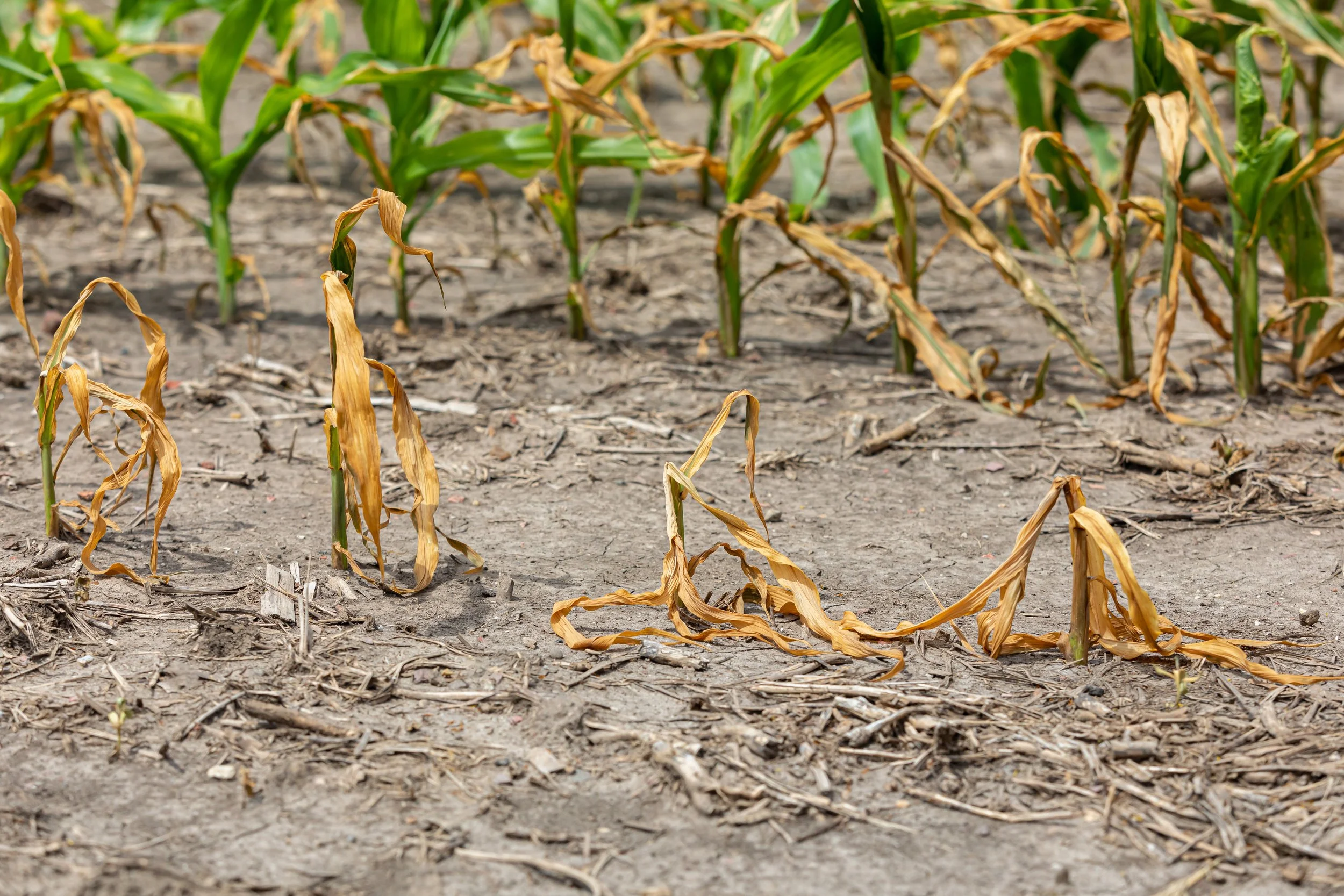
American crop and rangeland losses associated with major weather and fire events exceeded $20.3 billion in 2024, which is 11.1% of the total economic impact from disasters, as measured by NOAA. (American Farm Bureau Federation) Massive agricultural pesticide use contributes to the loss of healthy soils that could help hold crops in place and retain and filter water during major weather events including floods and droughts. (Frontiers in Environmental Science) By significantly decreasing agricultural pesticide use, farmers can decrease soil erosion and topsoil loss, protect crops from extreme weather events and, in turn, mitigate financial loss.
U.S. farmers are spending more on pesticides each year
U.S. farmers are currently spending around $21 million on pesticides annually, up from $15 million in 2016. (USDA ERS) These costs initially fall on the farmer, but are passed down the supply chain, at least in part, to food manufacturers and suppliers.
U.S. farmers' dependence on toxic pesticides reduces international sales
U.S. agriculture's reliance on toxic pesticides, especially as EPA allows even more toxic pesticide use on food crops, makes it increasingly difficult to sell to countries that better regulate pesticide exposure.
Bayer is experiencing massive financial loss from glyphosate production

Bayer acquired Monsanto, the producer of RoundUp, in 2018 for $63 billion and has since agreed to spend $7.25 billion settling 125,000 claims. (CBS News, AP News) The company told U.S. lawmakers it would consider discontinuing RoundUp, if steep legal fees persist. (Reuters)
Major food manufacturers sued for selling unhealthy food

San Francisco's city attorney filed a lawsuit against 10 major food manufacturers for selling unhealthy foods that cause disease and burden governments with public health costs. (New York Times)
Many of the companies failing to adopt meaningful pesticide reduction goals and practices on the scorecard were included in the lawsuit — General Mills, Kraft Heinz, Mars, and Conagra, among others. The case further emphasizes the need for food companies to reduce synthetic chemicals from the U.S. food supply and bring healthier foods to market.